
Loading...
Serving Poway, CA and surrounding areas. (858) 762-7743
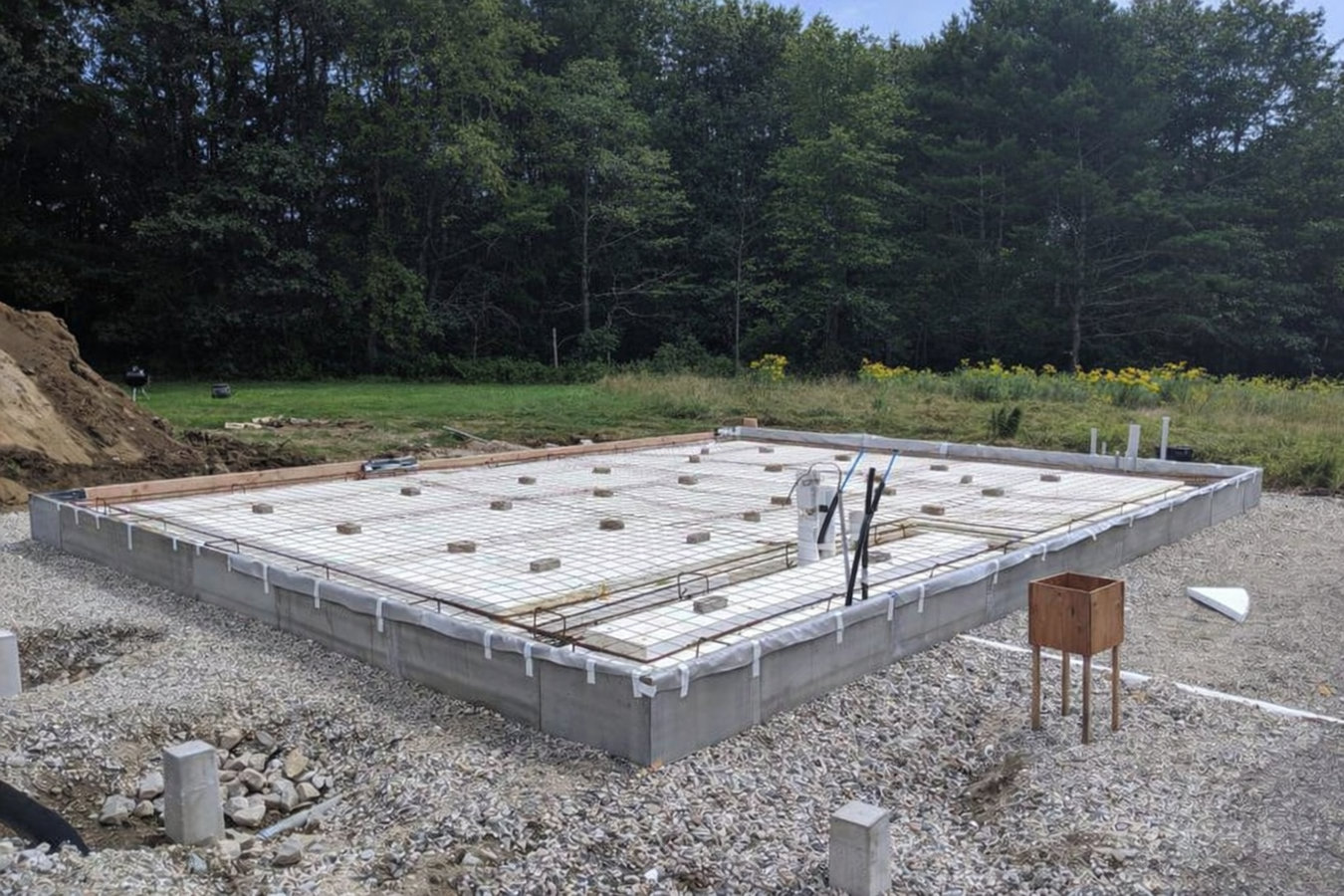
Poway clay soil expands and contracts every season. We design and pour slab foundations that account for what the ground under your lot actually does - so your slab holds up for decades, not just a few years.
Slab foundation building in Poway means pouring a reinforced concrete pad directly on prepared ground that becomes both the floor and the structural base of your home, and most residential projects take one to two weeks from site prep through a slab that is ready to build on.
Slab foundations are the standard for new construction in Southern California, and Poway is no exception. The mild climate and relatively stable ground make them practical for most lots. But Poway also has neighborhoods where clay-heavy soils create seasonal movement that a poorly designed slab cannot handle. Getting the soil conditions right before the pour is what separates a foundation that lasts from one that develops cracks within a few years.
Whether you are building a new home, adding a room, or converting a garage into an ADU, the foundation is the decision that affects everything above it. Homeowners planning multi-story builds or structures requiring deep support often also need foundation installation work, and projects requiring concrete pads for posts or beams often start with concrete footings.
If you are starting any new construction - a home, a garage, an ADU, or a room addition - you need a foundation before framing begins. In Poway, slab foundations are the standard starting point for most new builds because they work well with the local climate and soil conditions. This is the most straightforward reason to call a concrete contractor.
Cracks wider than a thin line, or ones that seem to be growing, are a sign the slab may be shifting or settling. In Poway, this is often connected to the expansive clay soils that swell and shrink with seasonal moisture changes. Cracks that run diagonally from door corners, or that cause doors to stick, are worth having a professional assess before they get worse.
When a slab shifts even slightly, door and window frames above it can go out of square. If doors now drag on the floor, or windows have become hard to open, the foundation may be moving. This symptom is especially common in older Poway homes built in the 1970s and 1980s on lots with clay-heavy soil.
Garage slabs are often thinner and less reinforced than what is required for a habitable room. The city's building department will require the foundation to meet current standards before approving any ADU conversion. A contractor can assess whether the existing slab can be upgraded or whether a new pour is needed - this is worth knowing early, not mid-project.
We pour slab foundations for new homes, room additions, garage conversions, and accessory dwelling units across Poway. Every project starts with a site visit - we look at your lot, assess any slope, and ask about soil conditions before giving you a written quote. For projects in Poway, that means the estimate reflects the actual grading work your specific lot requires, not a best-case number. We handle the permit application with the City of Poway Building and Safety Division, coordinate any required inspections, and manage curing protection suited to Poway's warm inland climate.
For hillside lots, we include the grading and compaction work needed to prepare an uneven site for a level pour - which is often more involved than homeowners expect. Homeowners building structures that require deeper support often pair slab work with foundation installation, and projects needing concrete pads for structural posts frequently start with concrete footings placed before the main slab pour. We coordinate these sequences so the work flows in the right order.
Full slab pours for new residential construction, including site prep, steel reinforcement, and city permit coordination.
Matching slab pours for room additions that tie correctly into your existing foundation for structural continuity.
Assessment and new pours for homeowners converting garage or accessory structures to meet Poway ADU code standards.
Slabs for sloped and terraced lots that require grading, compaction, and sometimes fill material before the pour begins.
Poway sits in a valley and foothill zone where the soil varies significantly from one neighborhood to the next. Some areas have decomposed granite on the slopes - reasonably stable ground that compacts well. Others sit on clay-heavy fill in lower areas that expands when it rains and shrinks during the dry summer months. That seasonal movement is one of the most common causes of slab cracking in this city, and a foundation designed without accounting for it will show problems within a few years. Poway's hot summers also mean concrete curing requires active management - pouring in high heat without protection produces a slab that looks fine but reaches less than full strength.
Homeowners across Poway deal with these soil and climate conditions regularly, and so do residents in nearby communities like Escondido and Santee, where inland heat and expansive soils are similarly common. Many Poway properties also fall within the city's high fire hazard zones, which means structures built on new slabs must meet stricter code requirements for fire-resistant materials - requirements that get reviewed during the permit process. Working with a contractor who knows Poway's permit process means those reviews do not stall your project.
We ask a few basic questions - what you are building, the approximate size, and whether your lot slopes - then schedule a site visit before quoting. Poway terrain and soil conditions affect cost significantly, so we give you a written estimate that breaks down the major items. Expect a reply within one business day of your first contact.
We submit the permit application to the City of Poway Building and Safety Division with drawings showing slab dimensions and reinforcement. City review typically takes one to three weeks. We give you a realistic timeline upfront so you are not caught off guard by the permit process.
Once the permit is in hand, the crew grades the ground, compacts the soil, and sets forms. Any underground plumbing or conduit is installed at this stage - once the concrete goes in, there is no going back. For sloped lots, this step takes longer and involves more equipment.
The pour itself is usually a one-day event. After the pour, the slab cures for a minimum of seven days before any significant load is placed on it. In Poway's summer heat, we apply curing protection to prevent the surface from drying too fast. The city inspector checks the work before framing can begin - we coordinate that visit for you.
We visit your lot before we quote - because in Poway, the soil and terrain make every project different. No pressure, no obligation.
(858) 762-7743We assess your specific lot conditions before finalizing any slab design. In Poway, where clay-heavy soils in some neighborhoods expand and contract seasonally, that assessment directly affects reinforcement choices and whether a moisture barrier is needed. A slab designed for the ground it actually sits on performs differently than one built from a generic template.
We submit the permit application, communicate with the city on your behalf, and give you a realistic timeline from the start. Permit delays are one of the most common reasons foundation projects run over schedule in Poway - and they almost always happen when a contractor submits incomplete paperwork. We know what the City of Poway Building and Safety Division requires and submit it correctly the first time.
Concrete poured in Poway's summer heat can look fine on the surface but reach less than full strength if it dries out too fast during curing. We schedule pours for cooler parts of the day during warm months and protect the surface while it cures. The California Contractors State License Board verifies that licensed concrete contractors meet the standards required to do this work legally - you can confirm any contractor's license at cslb.ca.gov.
Poway has a lot of sloped and terraced properties, and grading a sloped lot takes significantly more work than a flat one. Some contractors give a low initial quote and add costs once the excavator arrives. We assess your lot before we quote, so the number you agree to is the number you pay. On hillside projects, that transparency matters.
Every one of these commitments comes down to one thing: we build slabs that pass inspection the first time and hold up through Poway's seasonal soil movement and summer heat. That is what a foundation project should deliver, and it is the standard we work to on every job.
Full foundation installation for new homes and structures, including excavation, forming, steel reinforcement, and city inspection coordination.
Learn MoreConcrete footings for structural posts, beams, and walls - the below-grade work that supports everything built on top of your slab.
Learn MoreSummer project calendars fill fast - call today to lock in your start date before the busy season closes out available slots.