
Loading...
Serving Poway, CA and surrounding areas. (858) 762-7743
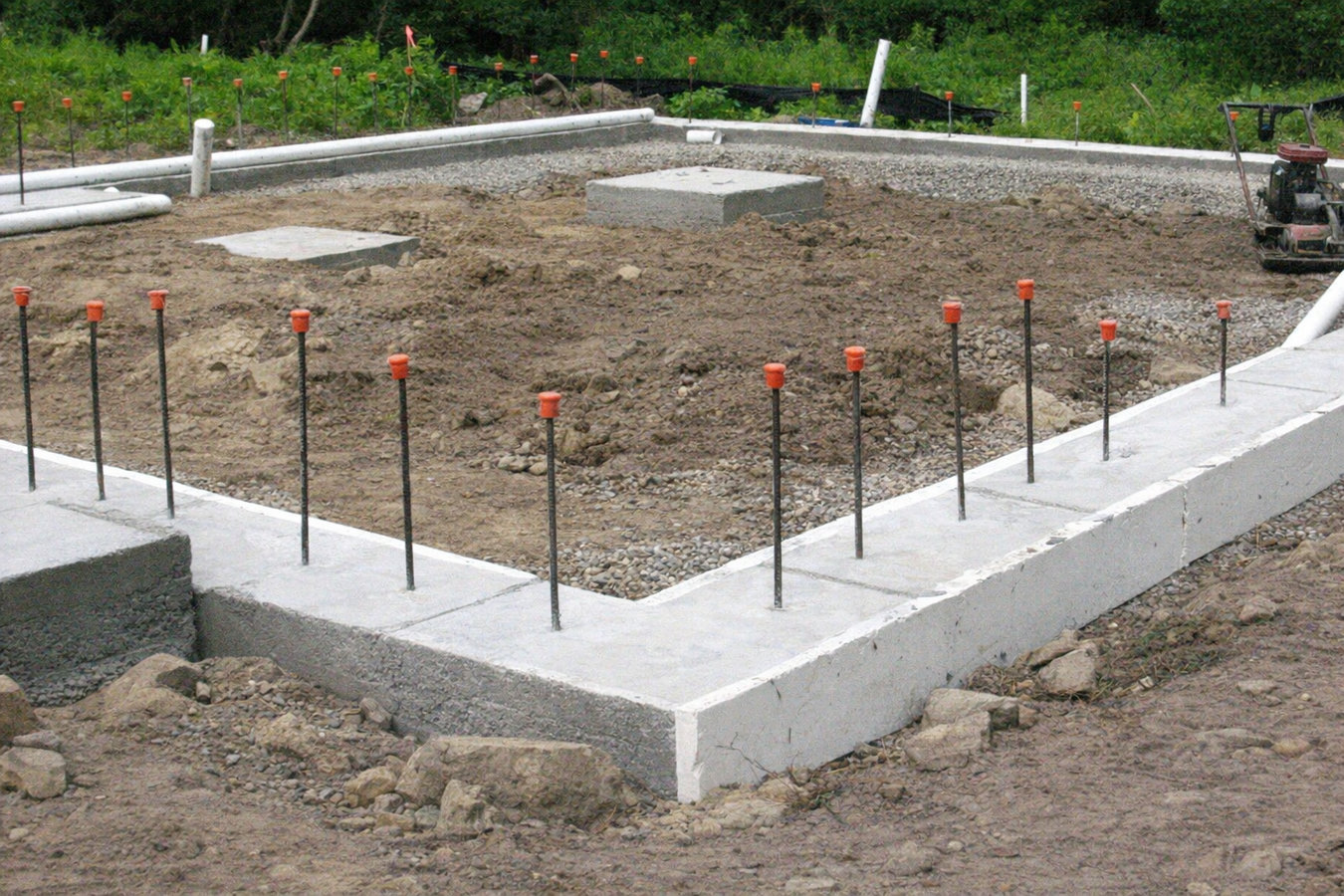
A deck, pergola, or room addition is only as solid as the footings beneath it. We pour concrete footings in Poway sized for local clay soils and seismic requirements, with permits pulled and city inspections managed from start to finish.
Concrete footings in Poway are the underground structural bases that hold up decks, room additions, pergolas, fences, and retaining structures - most residential footing projects take one to two days of physical work, plus a permit wait of one to three weeks before digging begins.
Most homeowners who contact us are planning something new - a backyard deck, a patio cover, a room addition - and need to understand what is required underground before any framing starts. Others call because an older structure is starting to pull away from the house or a fence line is leaning badly. Concrete footings in Poway require a building permit, and a city inspector must sign off before any concrete is poured - a step that actually protects you, since it puts an independent set of eyes on the work before it is permanent. Soil conditions here add complexity: the clay-heavy ground common in parts of Poway expands and contracts with seasonal moisture changes, and footings that were not sized for that movement can shift over time.
Footings are the starting point for almost any structural addition. Homeowners who are adding a deck or patio often look at the bigger picture at the same time, which is why many of our footing clients also explore foundation installation for larger scope work.
If you notice a gap opening between your deck and the house, or the structure feels springy when you walk on it, the footings underneath may have shifted. In Poway, the combination of clay soils and dry-wet seasonal cycles can cause footings to move over time, especially if they were poured too shallow or without proper reinforcement.
Cracks that spread outward from a post base or along the edge of a slab often signal that the footing below has settled unevenly. This is especially common in older Poway homes built in the 1970s and 1980s, when footing depth requirements were less stringent than they are today.
Any structure that attaches to your home or stands independently in your yard will need footings before anything else can be built. If you are in the planning stage for a project like this, getting a footing assessment early helps you understand the full scope and cost before you commit.
Leaning fence posts are often a sign that the original footings were too small or too shallow for Poway's soil conditions. When posts lean, it is usually more cost-effective to replace the footings entirely rather than try to prop the posts back up or extend them at the surface.
We pour concrete footings for decks, patio covers, room additions, pergolas, fences, and retaining structures across Poway. Every project starts with a site visit to assess what you are building, where it is going, and what the ground looks like - because footing depth and width depend on those specifics, not just a standard number from a price sheet. We handle the City of Poway permit application on your behalf, schedule the required pre-pour city inspection, and size the steel reinforcement to meet California's seismic requirements for this region. For homeowners whose HOA requires plan submittal before a city permit is pulled, we can help you understand the sequence so the project does not stall. Clients adding decks and larger structures often tie footing work to foundation raising where existing foundation issues need to be addressed first.
Steel reinforcement runs through every footing we pour. Concrete handles compression well, but steel handles the tension forces that come from soil movement, seismic activity, and the weight of whatever is built on top. Poway is close to active fault systems in Southern California, which means the reinforcement patterns required here are more rigorous than in many other parts of the country. For larger structural projects, footing work often ties directly into foundation installation to ensure the whole base system is engineered as a unit.
Individual column footings for deck posts, pergola uprights, and freestanding structures - the most common residential footing type in Poway.
Strip footings that run along a wall line, suited to room additions, raised slab edges, and retaining wall bases that need load distributed across a longer span.
Removing failed or under-built footings and pouring new ones to current depth and reinforcement standards - for leaning fences, shifting decks, or structures pulling away from the house.
Footings for new decks, patio covers, ADUs, and room additions, coordinated with the overall project framing timeline and permit schedule.
Poway sits on a mix of soil types that varies by neighborhood - decomposed granite in some areas, clay-heavy fill in others, and slopes that affect how drainage interacts with any structure you build. Clay soils, which are present in parts of the inland valley, swell when winter rains arrive and shrink back through the long dry summer. That repeated movement puts stress on footings that were sized only to meet the minimum - which is why contractors who know this area often go deeper and wider than the code floor requires. Poway is also in a seismically active part of Southern California, near the Elsinore and Rose Canyon fault systems, and California's building code reflects that: the steel reinforcement patterns required here are designed to hold up during ground movement, not just carry vertical load. Both of these factors - soil and seismic - show up in every footing inspection the City of Poway conducts.
Footing projects come up across all the communities we serve. Homeowners in Santee face similar clay-soil and slope challenges, while clients in Escondido deal with comparable soil variability and the same regional seismic standards. Poway's prevalence of HOA-governed neighborhoods - particularly in established corridor communities near Poway Road - means some homeowners need architectural review board sign-off before the city permit process even begins.
Footing work is too site-specific to quote over the phone - we visit your property to see what you are building, where it is going, and what the ground looks like. Expect the visit to take 20 to 45 minutes and a written estimate within one business day that covers digging, steel, concrete, permit fees, and inspection.
We pull the building permit from the City of Poway's Building Division before any digging starts. If your neighborhood has an HOA, confirm with them first - HOA approval typically needs to happen before the city permit process begins. Plan for one to three weeks for city permit approval on a standard residential project.
The crew marks footing locations, digs the holes or trenches, and places steel reinforcement before pausing for the required city inspection. The inspector visits to confirm depth, width, and steel placement match the approved plans. Once signed off, the concrete is ordered - usually poured the same day or the next morning.
The pour itself is often the fastest part of the job - a small residential footing project can be finished in a few hours. We level the tops and leave the footings to cure. Wait at least three to seven days before any framing starts on top, and keep heavy loads off the area during that window. Your contractor walks you through what comes next before leaving the site.
We handle the permit, the inspection, and the pour - so your project stays on schedule with no permit surprises.
(858) 762-7743The soil in many Poway neighborhoods swells when winter rains arrive and shrinks back through dry summers. We size and depth footings for that movement - going beyond the minimum the code requires when conditions call for it. That is what keeps your deck or pergola level through multiple seasons, not just the first one.
Every footing we pour is permitted through the City of Poway's Building Division and inspected before the concrete goes in. That inspection is your protection - an independent city official confirming the steel and depth are correct. We handle the scheduling so you do not need to coordinate with city hall yourself.
Poway is near active fault systems in Southern California, and California's building code requires specific steel reinforcement patterns in footings as a result. We follow those requirements on every job, which means your structure is built to the standard that actually applies here - not a looser national average.
Structural additions without permits are a recurring issue that surfaces during home sales in this area, often delaying or complicating the transaction. Every footing we pour is permitted and on record with the city, giving you a clean paper trail that protects your home's value when the time comes to sell.
Concrete footings are not a visible part of the finished project, but they are the part that determines whether everything built on top stays where it is supposed to be. Call us before you start framing and you will know exactly what the ground underneath needs.
Lifting and releveling settled foundations in Poway - a separate process from new footing work, used when an existing foundation has dropped or shifted.
Learn MoreFull foundation systems for new structures and additions in Poway, going beyond individual footings to the complete engineered base.
Learn MoreWe visit your property, assess the soil, and give you a written quote covering everything before you commit - reach out now and we will get back to you within one business day.