
Loading...
Serving Poway, CA and surrounding areas. (858) 762-7743
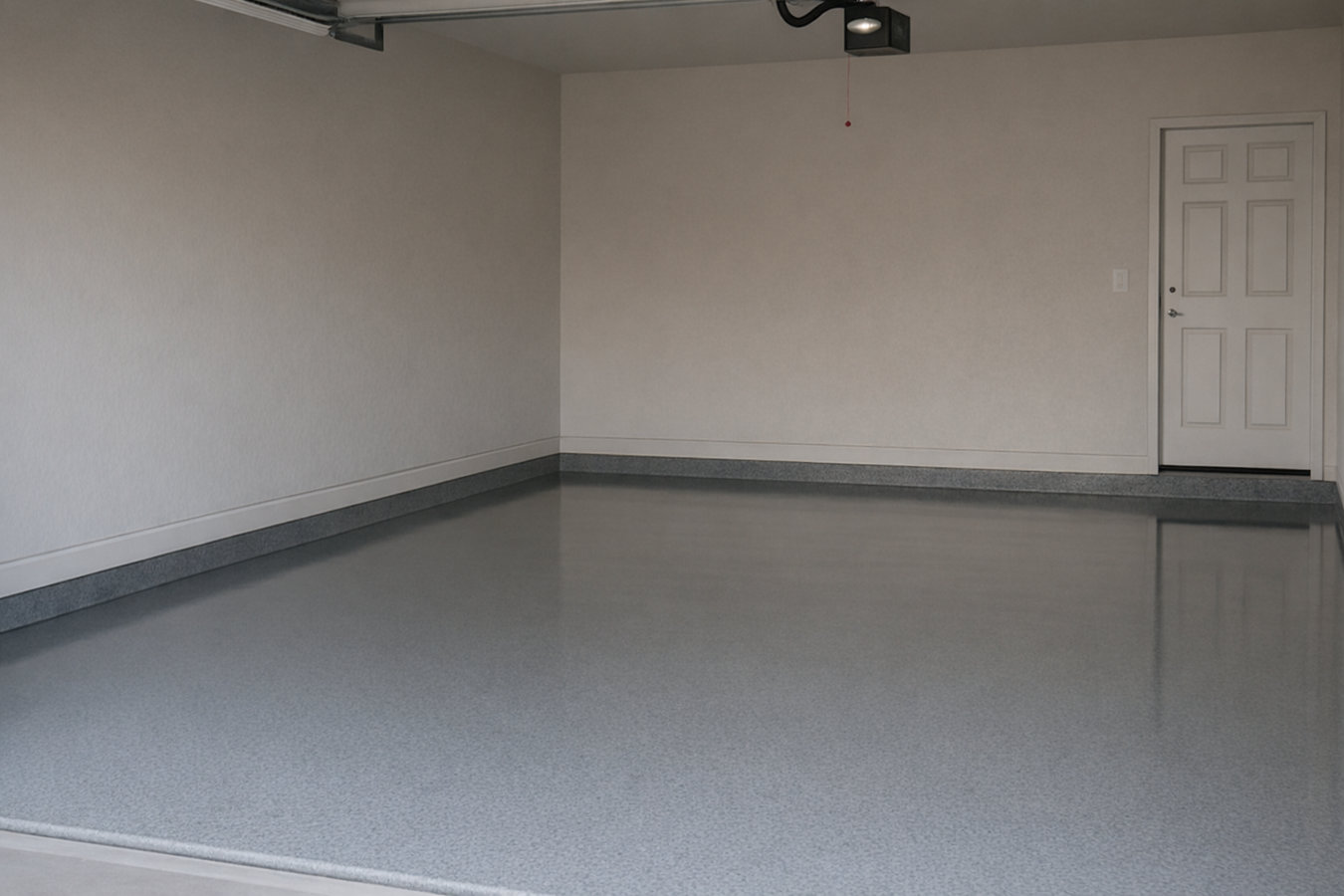
Cracked, uneven, or crumbling floors come from bad base prep - not bad luck. We pour floors built to handle Poway clay soil, with proper drainage, right-thickness slabs, and curing protection for the summer heat.
Concrete floor installation in Poway means removing the existing surface, compacting the subgrade, adding a gravel base sized for local soil conditions, and pouring a slab that cures properly in the area's hot, dry climate - most residential projects take one to two days for the pour itself, with a curing period of at least seven days before normal use.
The soil in many Poway neighborhoods contains clay that swells when wet and shrinks when dry. That movement is the single most common reason concrete floors in this area crack within a few years - and it is almost always a base preparation problem, not a concrete quality problem. Getting the foundation right costs more upfront but prevents the far greater expense of removing and replacing a failed slab.
Poway homeowners request floor installation for garages, patios, utility areas, and increasingly for ADU conversions as the city has streamlined its accessory dwelling unit permitting. For projects that connect indoor and outdoor concrete surfaces, many homeowners also look at concrete pool decks as a natural extension of their floor project.
Cracks where one side sits higher than the other, or that have visibly grown over time, mean the slab is shifting beneath you. In Poway, this is often caused by clay-heavy soil expanding and contracting with seasonal moisture changes. A crack wide enough to catch your toe is a floor that needs replacement, not just patching.
A dip near the garage door, a hump in the middle of the room, or a section that rocks slightly when you step on it means the slab has moved. This is common in older Poway homes where the original pour did not account for local soil movement. Unevenness creates tripping hazards and makes it hard to seal the floor against water or pests.
If the top layer of your concrete is peeling off in thin chips, or if you see fine gray dust on your shoes after crossing the room, the surface is deteriorating from the inside. This condition, called spalling, usually traces back to a mix or curing problem in the original pour. Sealing will not stop it - the floor needs to be replaced.
If you are converting your garage into living space or building an ADU, your existing slab is almost certainly wrong for the new use - it is likely sloped for drainage and too thin for furniture and foot traffic. A new floor pour designed for the intended use is the correct starting point for any garage conversion in Poway.
We install concrete floors for garages, indoor living spaces, patios, and ADU conversions throughout Poway. The work starts with a proper site assessment - we check soil conditions, measure the space accurately, and determine the right slab thickness and gravel base depth before anything is poured. For projects requiring a city permit, we handle the application to the Poway Building Division so you do not have to navigate that process yourself. Every pour includes a curing plan suited to Poway's climate, which in summer means scheduling early-morning pours and applying protective compounds to slow moisture loss.
Finish options range from plain brushed surfaces built for garage use to polished or stained finishes popular for interior conversions and patios. We also install garage floor concrete with coatings designed for vehicle traffic and oil resistance, and homeowners who want surrounding flatwork to match often add a concrete pool deck or patio slab as part of the same project.
Right for homeowners with cracked, sloped, or deteriorating slabs who need a durable surface for vehicle and storage use.
Level, properly-thick pours designed for living space use - coordinated with Poway ADU permit requirements from the start.
Outdoor concrete floors with the correct slope for drainage and a finish suited for foot traffic and furniture.
Smooth trowel or polished finishes for laundry rooms, workshops, or bonus spaces where appearance matters as much as durability.
Poway's combination of clay-heavy soil and hot, dry summers creates two competing problems for concrete floors. The clay expands when wet and contracts when dry, putting stress on slabs from below. The dry summer heat pulls moisture out of freshly poured concrete faster than it should harden, which causes surface cracking if the crew does not take active steps - scheduling morning pours, applying curing compounds, and sometimes misting the slab during the first few days. A contractor who has worked in Poway knows both problems and treats them as standard practice, not as extras.
Demand for ADU-related floor work has been rising across the area, including from homeowners in Santee and El Cajon, where garage conversions are increasingly common as families look to add living space without moving. Parts of Poway also fall within designated fire hazard zones where concrete surfaces are a practical choice for replacing combustible decking around the home perimeter. A contractor familiar with the city knows where those zone boundaries run and can help you think through placement.
We reply within one business day. You will speak with someone who can ask the right questions - space size, intended use, whether demo is needed - before we schedule the site visit. No automated runaround.
We visit to assess soil conditions, measure the space, and check existing slab condition. You receive a written estimate that separates labor, materials, demo, and any permit fees - not a single number with nothing behind it.
For garage conversions, ADUs, or structural projects, we submit the permit application to the City of Poway Building Division. Approval typically takes a few days to a couple of weeks. We build this into your schedule from the start.
We handle demo, base prep, and the pour - usually in one day for a standard floor. After curing, we walk through with you, explain the control joints we cut, and confirm care instructions for the first weeks. City inspection is coordinated if a permit was pulled.
Free on-site estimate. We assess the soil and the space before giving you any numbers. No commitment required.
(858) 762-7743We treat Poway's expansive clay soils as a design constraint, not an afterthought. Every floor pour includes a compacted gravel base layer sized to prevent slab movement from below - which is the most common cause of cracked and uneven floors in this area. This is not an upgrade; it is how we work.
Poway summers regularly push into the 90s, and concrete that loses moisture too quickly during curing will crack before it ever carries any load. We schedule morning pours in warm months and apply curing compounds as a standard step - not something you have to ask for or pay extra to get.
Garage-to-living-space conversions in Poway require a floor pour that meets city standards and is tied to the ADU permit. We have done this work in Poway, know what the Building Division looks for at inspection, and coordinate the concrete scope with whatever other trades are on your conversion project.
Demo, base prep, pour, finish, and permit fees are each listed separately in every quote we provide. The California Contractors State License Board requires written contracts for jobs over $500 - we hold ourselves to that standard on every project regardless of size.
Base prep, curing, and permit documentation are the three things that separate a floor that lasts from one that does not. Every project we deliver includes all three as standard, not as line items you have to negotiate.
Slip-resistant pool deck slabs poured with the drainage slope and UV-resistant finish that Poway's sunny climate demands.
Learn MoreDedicated garage floor pours and coatings built for vehicle traffic, oil resistance, and Poway's temperature swings.
Learn MoreSpring and fall are our peak scheduling seasons in Poway - locking in your estimate now keeps your project on track before the calendar fills up.