
Loading...
Serving Poway, CA and surrounding areas. (858) 762-7743
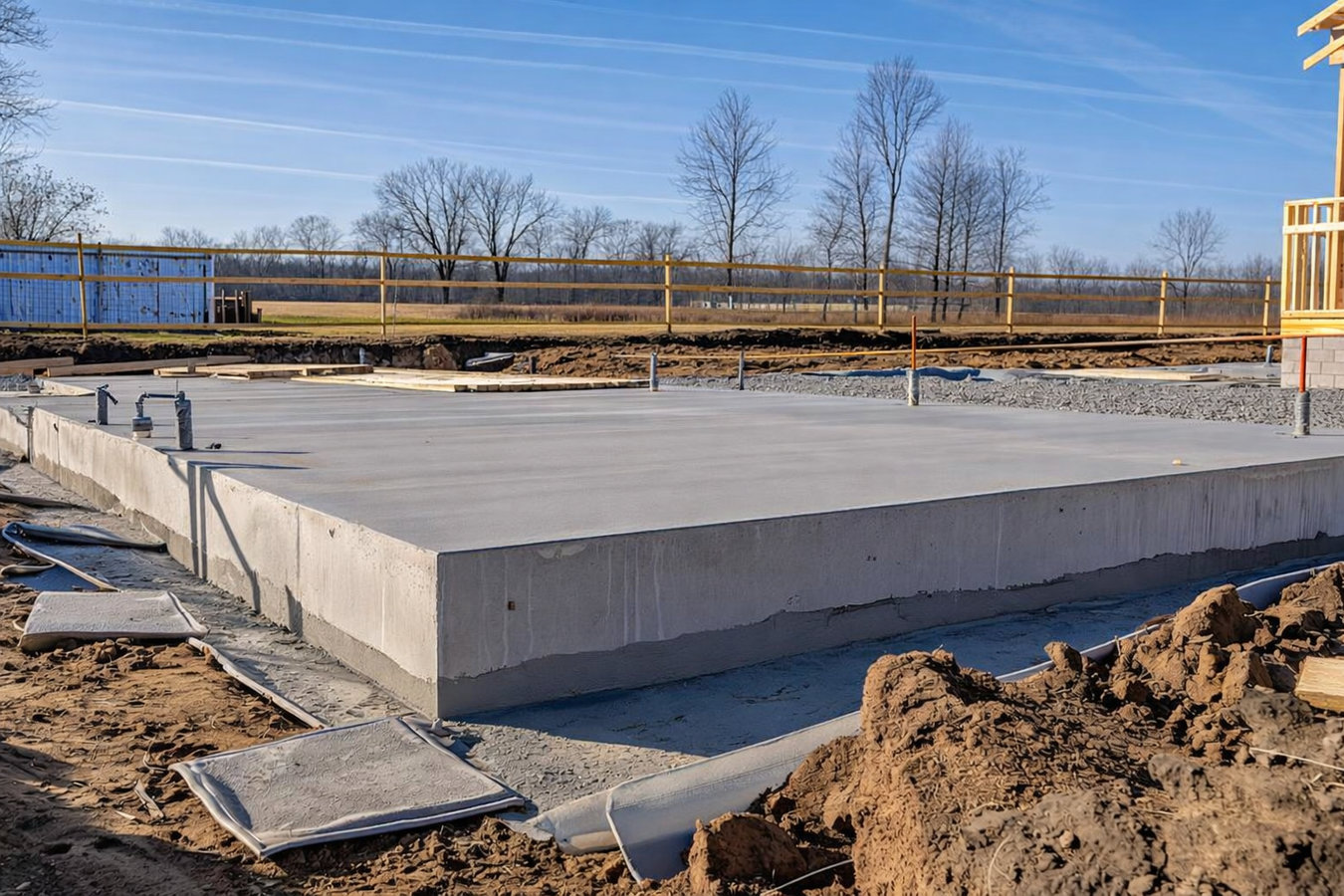
Poway soil, seismic requirements, and city permits all shape how a foundation should be designed here. We handle every step - from soil assessment and engineering coordination to the pour and city inspection.
Foundation installation in Poway covers the full process of designing, excavating, forming, reinforcing, and pouring a concrete foundation for a new home or addition, and most residential projects take one to three weeks of active construction once permits are in hand.
Your foundation is the structure that holds your entire home up and transfers its weight safely into the ground. When a foundation fails - or was never built correctly to begin with - the problems show up everywhere above it: cracks in walls, floors that slope, doors that will not close. In Poway, those problems are often connected to soil conditions or seismic requirements that were not accounted for at the start.
Not every foundation situation involves a problem with an existing structure. Many homeowners in Poway are building new - a primary home, an addition, or an accessory dwelling unit. For projects where the primary need is a flat concrete pad, a slab foundation may be the right starting point. Projects requiring commercial-scale paving or large flat pads for fleet vehicles often have different structural needs that overlap with concrete parking lot building.
If doors or windows that used to open smoothly have started sticking, dragging, or leaving gaps at the corners, the frame of your home may be shifting. In Poway, where clay-heavy soils expand and contract with seasonal rain cycles, this symptom tends to appear or worsen in late winter and early spring after the rains. Foundation settling causes this kind of movement.
Small hairline cracks in drywall are common and often harmless. But cracks wider than a pencil line, or ones that run diagonally from the corners of door or window frames, are worth taking seriously. These patterns often indicate part of the foundation has moved or settled more than another part - a condition that does not fix itself and typically gets worse over time.
If a marble placed on your floor rolls in one direction, or if you can feel a distinct slope walking through a room, the foundation beneath that area may have shifted. This is especially worth investigating in older Poway homes built before current soil engineering standards were common, where foundations may not have been designed to handle local soil movement.
Not every foundation situation involves an existing problem. If you are planning a new home, an ADU, or a room addition in Poway, you need a new foundation designed and installed before any framing begins. Starting that conversation with a licensed concrete contractor early - before plans are finalized - gives you accurate cost information and helps avoid surprises during the permit process.
We install concrete foundations for new homes, room additions, and accessory dwelling units throughout Poway. Every project starts with a site visit - we look at your lot, review available soil information, and confirm what city permits are required before giving you a written estimate. We coordinate the permit application with the City of Poway Development Services department, schedule the required city inspections, and manage the concrete pour and curing process from start to finish. For Poway properties in the city's high fire hazard zones, we are familiar with the additional code review those structures require.
For projects where soil conditions require additional investigation, we connect homeowners with geotechnical engineers who produce the soil reports the city needs before approving foundation plans. Homeowners building new structures often need a slab foundation as the primary concrete element, while those with structural posts or beams may also need concrete parking lot building or related flatwork at the same time. We coordinate sequencing so concrete work happens in the right order.
The most common foundation type in Poway - a reinforced concrete pad poured directly on prepared ground, suited to most residential builds.
Foundations with a crawl space below, suited to lots with drainage constraints or homes requiring access to plumbing and utilities below the floor.
New foundation pours that integrate with or match existing structures for room additions and accessory dwelling unit construction.
All foundations built to California's seismic requirements, with appropriate steel reinforcement and anchor connections for Poway's earthquake zone.
Poway's soil ranges from decomposed granite on hillside lots to clay-heavy fill in lower areas, and those two soil types behave very differently under a foundation. Clay soil expands when it absorbs rain and shrinks when it dries - a seasonal cycle that puts stress on concrete not designed to handle it. Poway also sits in a seismically active part of Southern California, which means California's building code requires foundations here to carry more steel reinforcement and specific anchor connections between the foundation and the wood framing above it. Those requirements are non-negotiable for any permitted project, and they add cost that a low bid may not be including.
Homeowners throughout the area navigate the same soil and seismic conditions, including residents in nearby El Cajon and Lakeside, where inland clay soils and hillside grading are common. Many Poway neighborhoods also fall under HOA rules that require written association approval before construction begins - separate from the city permit. HOA review processes can add two to four weeks to your pre-construction timeline, and a contractor who knows Poway's planned communities can help you navigate that process without delays.
We ask about the size and type of structure you are building, whether you have a soil report, and whether you have started the permit process. Then we schedule a site visit before quoting. Foundation pricing depends heavily on your specific lot, so we give you a written estimate that breaks down the major cost items. Expect a reply within one business day of your first contact.
Before any digging starts, we submit plans to the City of Poway Development Services department and apply for a building permit. Depending on project complexity and city workload, permit approval takes two to six weeks. We handle the submission - you should ask for a copy of the permit before work begins, as it is your legal protection that the project has been reviewed and approved.
Once the permit is in hand, the crew marks out the foundation area and begins excavating to the depth specified in the engineering plans. You will see an excavator on site and a significant amount of soil hauled away. The crew then sets forms and places steel reinforcing bars according to the engineering specifications before the pour day arrives.
On pour day, a concrete truck arrives and the crew fills the forms evenly - the whole pour typically takes four to eight hours. After the pour, concrete cures for a minimum of seven days before any load is placed on it. The city inspector visits to verify the work, and we coordinate those appointments. Once the foundation passes its final inspection, framing can begin.
No phone guesses - we visit your lot, review your soil conditions, and give you a written number before you commit to anything.
(858) 762-7743The City of Poway Development Services department inspects foundation work at multiple stages - before the concrete is poured and again after it cures. That means an independent city inspector, not just your contractor, is verifying the work meets the required standard before it is covered up. You get that confirmation in writing before the project is considered complete.
Poway sits in a seismically active part of Southern California, and California's building code requires foundations here to carry more steel and specific anchor connections between the concrete and the framing above it. We build to these standards on every project - not as an add-on - because that is what Poway's seismic zone actually requires.
Permit delays are one of the most common reasons foundation projects run over schedule, and they almost always happen when a contractor submits incomplete paperwork or skips steps. We handle the full permit submission for the City of Poway Development Services department, keep you updated at each stage, and know what the city needs to avoid a back-and-forth review cycle.
Poway's clay-heavy soils in lower areas expand and contract with every rain cycle, and a foundation not designed for that movement will crack within a few years. We assess your specific lot before finalizing any design. Where a geotechnical soil report is needed, we connect you with engineers who understand San Diego County's soils. The California Geological Survey publishes seismic hazard zone maps relevant to foundation design in this region at conservation.ca.gov/cgs.
A foundation is the largest single structural investment in your home, and it is the one you cannot fix cheaply if it was done wrong the first time. Every commitment above is aimed at making sure that does not happen on your project.
Slab-on-grade foundation pours for new homes, ADUs, and room additions - the most common foundation type for Poway residential construction.
Learn MoreLarge-scale concrete flatwork for commercial properties, multi-unit residential sites, and any project requiring heavy-duty paved surfaces.
Learn MorePermit season fills up fast - call today or submit an estimate request and we will be in touch within one business day to schedule your site visit.