Loading...
Serving Poway, CA and surrounding areas. (858) 762-7743
Poway Concrete Company is a licensed concrete contractor serving Chula Vista, CA with parking lot construction, driveway replacement, retaining walls, patio slabs, and foundation work across San Diego County's second-largest city. We know the clay soils that crack concrete here, the HOA requirements in Eastlake and Otay Ranch, and what the City of Chula Vista requires for permitted work. We reply within 1 business day.
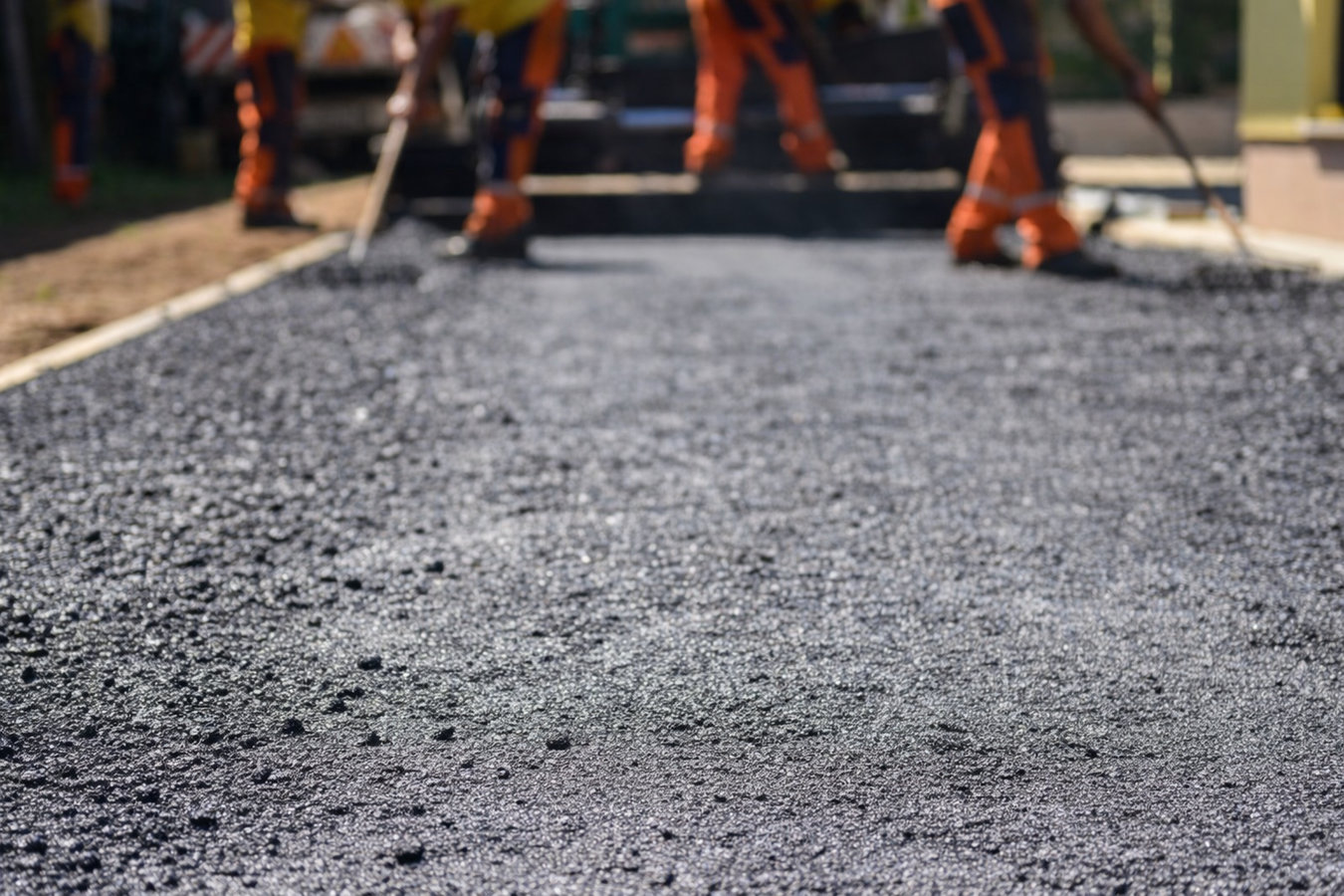
Chula Vista is a large city with two distinct halves. The eastern communities - Eastlake, Otay Ranch, Rolling Hills Ranch - were mostly built between 1995 and 2015 and are now entering the 20-to-30-year maintenance window where original driveways and concrete flatwork start to fail. The older western neighborhoods near Third Avenue have homes from the 1950s through 1970s with original concrete that has been dealing with clay soil movement for decades. Both situations need a contractor who knows what they are looking at.
Chula Vista's growing commercial corridors near Otay Ranch Town Center and along the Bayfront redevelopment zone are driving new demand for professionally built concrete parking surfaces. Our concrete parking lot building service accounts for the clay soil conditions common in Chula Vista by specifying the right subbase depth and compaction before any pour. For commercial lots, we coordinate with the City of Chula Vista for permits and drainage compliance so the project does not stall at the inspection stage.
Homes in eastern Chula Vista built in the 1990s and 2000s have driveways that are approaching or past the 20-to-30-year mark - long enough for clay soil movement to show up as cracking, edge settlement, and surface spalling. On the west side, older driveways are even further along. We remove the existing slab, compact the subbase correctly, and pour a replacement reinforced for Chula Vista's clay soil conditions so the new driveway holds up for the long term.
Retaining walls in Chula Vista face a specific challenge: the clay soils behind them absorb winter rain and expand, putting lateral pressure on the wall face. Walls built without drainage gravel, weep holes, or adequate footings are the ones we see leaning and cracking first. Whether you are in the hillside sections of Rolling Hills Ranch or the older neighborhoods near Castle Park, we build walls designed to drain properly and stay plumb through years of wet-dry cycles.
Chula Vista has warm, dry summers that make outdoor living practical for most of the year - but patio slabs poured on clay soil without adequate subbase preparation tend to crack and shift within 10 to 20 years. We pour replacement and new patios with correct drainage slope, proper base prep, and a finish that stays functional and presentable under consistent heat and UV exposure. HOA communities in the east side often have approved patio material lists, and we can work within those requirements.
Chula Vista gets strong sun year-round, and pool decks that were not sealed properly when installed show it - surface spalling, rough texture, and cracked joints are common on original pool deck concrete from the 1990s and 2000s. We resurface or replace pool decks using finishes rated for high-UV conditions and apply a quality sealer before the job is done. Correct drainage slope away from the pool equipment and the home is built into every deck we pour.
Chula Vista's rapid growth means there is ongoing demand for slab foundations - ADUs, garage conversions, detached structures, and new light commercial buildings all need properly designed foundation slabs. Clay soil conditions in much of the city require deeper base preparation than a sandy-soil site would. We engineer the slab to the project requirements, pull the required permit from the City of Chula Vista Development Services Department, and coordinate inspections through to final approval.
The most important factor for concrete in Chula Vista is the clay soil that underlies much of the city. Clay is not inert - it absorbs water during winter rain and swells, then shrinks back as the ground dries through the spring and summer. For a concrete slab sitting on top of that soil, the cycle translates to constant low-level movement, and any slab poured over inadequately compacted clay will show it within a decade or two. Chula Vista gets 10 to 12 inches of rain per year, most of it falling between November and March. When those rains arrive, they often come in short, heavy bursts that test drainage systems fast. A driveway or parking lot with poor slope away from the structure, or a patio that directs water toward the foundation, becomes a problem quickly. Getting the grade right before the pour is not optional here.
The city's split character - older western neighborhoods from the 1950s through 1970s and large planned communities in the east from the 1990s through 2010s - means the concrete work in those two parts of the city looks very different. Western Chula Vista near Harborside and Castle Park has homes with original concrete infrastructure from the postwar era, some of which has never been replaced. Eastern communities like Otay Ranch and Eastlake have HOA-governed properties whose builder-grade concrete is entering the maintenance window at roughly the same time. Both situations require local knowledge to price and execute correctly.
Our crew works throughout Chula Vista regularly, and we understand the local conditions that affect concrete work here. Chula Vista is San Diego County's second-largest city, and the range of property types we encounter - from small postwar bungalows in Castle Park to large two-story homes with three-car garages in Otay Ranch - means we adapt the scope and approach based on what we find at the site, not a one-size description of the city.
The main east-west corridors are Olympic Parkway and East H Street, which connect the newer eastern communities to the older downtown core. The Chula Vista Elite Athlete Training Center near the eastern part of the city is one of only three U.S. Olympic and Paralympic Training Centers in the country and is a landmark many residents know. Third Avenue Village is the historic heart of western Chula Vista - the older residential streets surrounding it have some of the most mature concrete infrastructure in the city.
We serve neighboring Escondido to the north and Spring Valley to the northeast. If you are managing concrete work across properties in South County, we can coordinate the schedule to keep things efficient.
Call us or fill out the estimate form. We reply within 1 business day to schedule a site visit. Letting us know whether your property is in an HOA community helps us prepare for any submittal requirements before we arrive.
We visit your property, evaluate the existing concrete or site conditions, check drainage patterns, and ask about your goals for the project. You receive a firm written quote covering all scope, materials, permit requirements, and timeline - no vague estimates, no hidden charges after the fact.
We handle demolition and haul-off, compact the subbase to the depth required for Chula Vista clay soil conditions, set forms, and pour. For commercial parking lot projects, we coordinate drainage compliance and inspections with the city permit office before and during the pour.
After the pour, we walk the finished work with you and review curing requirements. New concrete needs at least seven days before foot traffic and 28 days before vehicles or heavy loads. We remain reachable during the cure period and follow up to make sure everything looks right.
We serve Otay Ranch, Eastlake, Rolling Hills Ranch, Castle Park, Harborside, and all Chula Vista neighborhoods. One call gets you a firm written quote with no obligation.
(858) 762-7743Chula Vista is San Diego County's second-largest city, with about 275,000 residents and a location 7 miles south of downtown San Diego along the western edge of San Diego Bay. The city incorporates two very different built environments. The older western side - neighborhoods like Castle Park, Harborside, and the area around Third Avenue Village - has homes mostly from the 1950s through 1970s on smaller lots with stucco exteriors and older infrastructure. The newer eastern side - Eastlake, Otay Ranch, and Rolling Hills Ranch - was developed rapidly in the 1990s and 2000s and is now filled with large planned communities where homes were built between 1995 and 2015.
Median home values hover around $700,000 to $750,000, with homeownership rates near 55%. The city is undergoing significant investment at its waterfront through the Chula Vista Bayfront development project, one of the largest coastal redevelopment efforts in California. Nearby Spring Valley to the north and La Mesa to the northeast share South County's dry summers and clay soil challenges, though both are older and more established than the east Chula Vista planned communities that define so much of the city's current character.
Professional concrete floor installation for interior and exterior spaces.
Learn MoreSafe, well-crafted concrete steps for any entry or grade change.
Learn MoreCommercial concrete parking lots built for heavy traffic loads.
Learn MoreFrom parking lots and driveways in Otay Ranch to retaining walls and patio slabs in west Chula Vista, we handle the work right the first time. Contact us today for your free estimate.